Smudge Sticks: What They Are and How to Use One
Updated November 1, 2026
As an Amazon Associate, SpiritStick earns from qualifying purchases. We have not tested the products we link to, and we make no health claims.
Smudge sticks are sold widely, but smudging is a sacred practice for many Indigenous peoples, and some plants used are overharvested.
Common plants
| Plant | Scent | Notes |
|---|---|---|
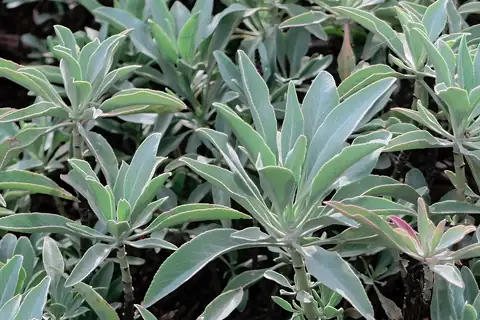
| White sage (Salvia apiana) | Strong, herbal | Native to southern California and Baja California; wild populations have declined in places |
| Garden sage (Salvia officinalis) | Herbal | Widely cultivated alternative |
| Cedar | Woody | Varies by species |
| Lavender | Floral | Easy to grow at home |
| Rosemary | Piney | Easy to grow at home |
| Sweetgrass | Sweet, vanilla-like | Usually braided |
How to use one
- Ventilate the room.
- Light the tip over a fireproof dish, let it catch, then blow out the flame.
- Waft the smoke with your hand or a feather.
- Extinguish by pressing into sand or a dish of soil. Never use water on a hot bowl.
Where to shop
- Cultivated sage smudge sticks
Look for 'cultivated' or 'farm-grown'. - Lavender or rosemary bundles
Alternatives to sage. - Sand for smudge bowl
Safe extinguishing.
We link to Amazon search results so you can compare current listings, prices and reviews yourself. We have not tested these products.
Safety
Treat a smoldering stick like an open flame: never leave it unattended, keep it away from curtains, children and pets, use a fireproof dish, and make sure it's fully out. The NFPA's candle-safety guidance applies. Smoke from burning any plant material affects indoor air, so ventilate the room, and skip smoke if you or someone at home has asthma or breathing problems.
A note on tradition
Smudging has deep spiritual meaning in many Indigenous cultures. This site explains products and safe use; it doesn't speak for any tradition. We don't make health claims about smoke.
Frequently asked questions
Can anyone smudge?
Many people burn herbs for scent. Some Indigenous communities ask non-Native people to avoid sacred plants like white sage, or buy only from Native-owned or cultivated sources.
Sources
Related guides
- What Is Palo Santo? The Wood, the Scent and Sourcing
- How to Burn Palo Santo Safely (Step by Step)
- Palo Santo Benefits: What's Claimed and What's Known
- White Sage Smudge Sticks: Sourcing, Culture and Alternatives
- Palo Santo vs. Sage: Scent, Burning and Sourcing Compared
- Incense Safety: How to Burn Incense, Sage and Palo Santo at Home